


Verbal abuse may leave no visible scars, but it can profoundly wound a person’s sense of self. For many survivors, the damage is long-lasting, shaping identity, self-worth, and mental health well into adulthood.
What Is Verbal Abuse?
What is Verbal Abuse?
Verbal abuse is more than unkind words. It is a pattern of communication that attacks a person’s identity, dignity, and psychological safety.
It doesn’t just occur within families. It shows up in wider social structures as:
-
Racial abuse
-
Homophobia
-
Misogyny
-
Male-shaming
- Bullying or shaming language in workplace environments
These words are not harmless. They are assaults on the self — and can leave emotional scars as real as physical ones.
The Hidden Impact of Verbal Abuse on Mental Health
The Hidden Impact of Verbal Abuse on Mental Health
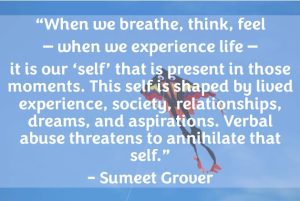 When we breathe, think, and feel — when we experience life — it is our self that is present in those moments. This self is shaped by lived experience, relationships, society, dreams, and aspirations.
Verbal abuse threatens to annihilate that self. It doesn’t just hurt — it distorts, shames, and erodes the inner foundations of self-worth and identity.
Unlike physical abuse, verbal abuse often goes unseen. Children and adults adapt to abusive environments by suppressing parts of themselves and internalising the voices that harmed them.
This means that even when the external abuse ends, its legacy continues. Survivors may carry the abuser’s voice inside them — harsh, shaming, punitive — undermining confidence, identity, and emotional wellbeing.
Why Verbal Abuse is a Form of Trauma
Society often tells survivors to “move on” or “stop dwelling on the past.” But what if the past is alive in the present — embedded in the mind’s patterns, thoughts, and emotional responses?
Verbal abuse, especially in childhood, is not benign. It is a form of relational trauma with long-lasting psychological effects. It deserves recognition and the same seriousness we afford to other forms of abuse.
A recent Guardian article highlighted the importance of acknowledging verbal abuse as a genuine cause of trauma. Research is beginning to confirm what survivors have always known: words can wound deeply.
How Psychotherapy Can Help Suvivors of Verbal Abuse
Psychotherapy provides a safe and confidential space to:
-
Recognise and name the harm caused by verbal abuse
-
Challenge the internalised voice of the abuser
-
Rebuild a healthier sense of self and identity
-
Develop resilience and emotional safety in relationships
Through therapy, survivors can begin to separate their authentic self from the shame imposed on them, and reclaim their inner voice with compassion.
Seeking Support
If you have experienced verbal abuse and are struggling with its effects, you do not have to carry this alone.
I offer psychotherapy for trauma, verbal abuse, and relational difficulties in Leighton Buzzard, Marlborough, as well as online psychotherapy for clients across the UK. My work in psychotherapy focuses on healing, resilience, and a restored sense of self.
👉 Learn more about my trauma therapy services.